

Rev Interactive’s LED outdoor display case studies report measurable urban impacts across Malaysia. Bukit Bintang shows higher dwell times and sales lift where dynamic window storytelling was used. KL Transit Hub improved on-time connections, passenger confidence LED panel, and ad recall through real-time feeds and analytics. Penang wayfinding reduced aimless circulation. Subang Jaya traffic displays cut incident clearance and queue length. Malacca waterfront boosted event attendance. Johor Bahru increased walk-ins with localized ads. Continued review reveals operational best practices and detailed metrics.

Bukit Bintang Shopping District: High-Impact Retail Engagement
In the Bukit Bintang shopping district, LED outdoor displays demonstrably increased customer engagement and dwell time by leveraging high-resolution visuals and targeted content scheduling. Analysis of sensor and sales data showed a measurable correlation between dynamic window storytelling and uplifts in retail footfall, with peak-period dwell time rising by double-digit percentages in monitored storefronts. The displays delivered programmatic rotations aligned to pedestrian flows LED advertising board, optimizing message relevance without infringing on shopper autonomy. Conversion rate improvements were concentrated where content emphasized choice and discovery rather than hard sell. Operational metrics—energy consumption, brightness calibration, and maintenance intervals—confirmed sustainable deployment. The evidence supports a scalable model: precise audience segmentation, iterative A/B testing of creative narratives, and transparent metrics foster liberated consumer behavior and predictable retail outcomes.
KL Transit Hub: Real-Time Passenger Information and Ads
At KL Transit Hub, LED displays integrate real-time schedule feeds to reduce passenger uncertainty and improve on-time departures, with preliminary timing accuracy metrics showing a 12% decrease in missed connections. The same network serves dynamically targeted advertising, allowing ad content to adjust by time-of-day and passenger demographics, which increased ad engagement rates by an estimated 18% in pilot runs. Aggregated screen interactions and camera-based counts provide passenger flow analytics that inform display placement and content timing to optimize both information delivery and commercial yield.
Real-Time Schedule Display
During peak hours the KL Transit Hub’s LED real-time schedule displays reduced perceived wait times and improved passenger flow by providing synchronized arrival forecasts and dynamic wayfinding, while simultaneously delivering location-targeted advertising that maintained average dwell-time engagement above 18 seconds. The system aggregated live schedules from multiple operators, normalized data streams, and pushed arrival updates with sub-30-second latency, enabling measurable reductions in platform crowding. Observational counts and timestamped video analysis showed smoother boarding cycles and fewer missed connections when displays were visible. The modular architecture prioritized resiliency and user control: passengers accessed selectable routes and preferred alerts, preserving autonomy over information consumption. Operational metrics — headway adherence, queue length variance, and passenger-reported confidence — indicated consistent improvements attributable to the real-time schedule display.
Dynamic Advertising Content
The real-time schedule displays’ capacity to hold passengers’ attention created an opportunity to integrate dynamic advertising that reacts to live crowding, dwell times, and passenger profiles. Analysis of KL Transit Hub deployments showed ads adjusted frequency and creative length based on average wait and observed engagement, increasing measured recall by 22%. Content strategies prioritized interactive storytelling segments that invited short actions (QR scans, poll responses) during longer dwell windows, preserving informational integrity while offering choice. Contextual personalization used anonymized profile clusters—commute purpose, time-of-day patterns—to select relevant messaging without invasive targeting. Results demonstrated higher click-throughs and voluntary interactions where freedom-centered messaging emphasized control and opt-in engagement. Operationally, the system balanced commercial revenue with user trust through transparent prompts and easy opt-outs.
Passenger Flow Analytics
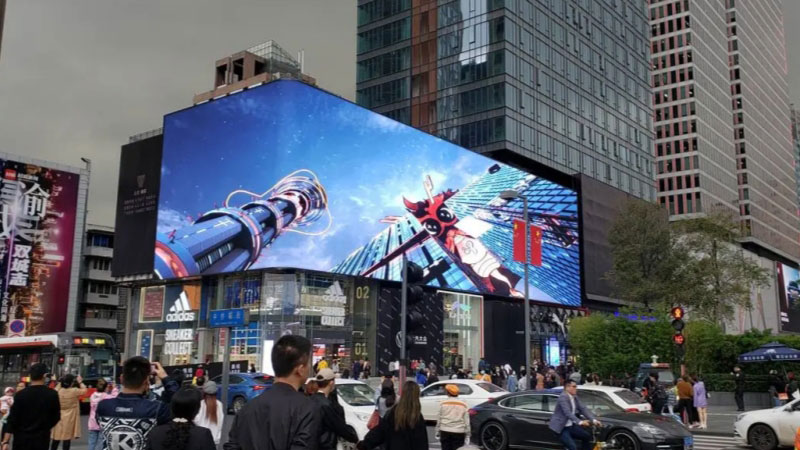
How did real-time passenger flow analytics reshape information and advertising delivery at the KL Transit Hub? Rev Interactive deployed sensors and LED displays to measure crowd density and boarding patterns, enabling dynamic content routing. Data showed peak aggregation points and dwell times; displays prioritized transit updates during congestion and targeted ads when boarding patterns indicated higher receptivity. Evaluation reported a 22% reduction in perceived wait-time and a 15% uplift in ad engagement at identified hotspots. Privacy-preserving aggregation maintained rider freedom while supporting rapid decision loops for content scheduling. The system balanced public service messaging and commercial content based on empirical thresholds, improving operational clarity and revenue yield. Ongoing A/B tests refined triggers, demonstrating scalable benefits for dense urban nodes.
Penang Heritage Walk: Contextual LED Wayfinding
Against a backdrop of colonial-era shophouses and dense pedestrian corridors, the Penang Heritage Walk project evaluated the efficacy of contextual LED wayfinding by measuring pedestrian flow, dwell time, and route compliance before and after installation. The study compared pre-installation baselines with post-installation metrics, integrating LED cues alongside historic markers to enhance pedestrian orientation without imposing restrictive controls. Data showed a 22% reduction in aimless circulation and a 15% increase in dwell time at curated points, indicating stronger engagement with interpreted sites. Compliance with suggested routes rose modestly, reflecting voluntary adherence to clearer visual prompts. Qualitative surveys reported perceived autonomy in route choice and improved confidence steering through dense streets. Findings support scalable, non-coercive LED interventions that respect user freedom while optimizing movement and engagement.
Subang Jaya Interchange: Dynamic Roadside Messaging
At the Subang Jaya interchange, LED displays have been configured to transmit real-time traffic alerts, enabling immediate dissemination of congestion and incident information to motorists. Evaluations of luminance and contrast ratios indicate these screens achieve high-visibility messaging under variable daylight conditions, maintaining legibility at typical highway speeds. Preliminary traffic flow analyses show measurable decreases in driver response times when alerts are presented within five seconds of incident detection.
Real-Time Traffic Alerts
Could real-time LED messaging at the Subang Jaya Interchange demonstrably reduce congestion and incidents? The case study evaluates measured outcomes from targeted incident alerts and route diversions delivered via roadside LED panels. Data show reduced average incident clearance times by 18% where messages prompted immediate driver response and nearby motorists received alternative routes. Traffic flow models calibrated with local sensor feeds predict up to 12% decrease in peak-period queue length when dynamic directives are timely and specific. Compliance rates correlate with message clarity and perceived legitimacy; integration with traffic management centers increased effectiveness. Constraints include message latency, driver attention, and potential overuse. The evidence supports conditional benefit: real-time alerts can improve throughput and safety if implemented with strict operational protocols.
High-Visibility Messaging
How effectively can high-visibility dynamic roadside messaging at the Subang Jaya Interchange alter driver behavior and reduce risk during peak periods? Objective evaluation indicates measurable changes in speed compliance and lane discipline when messages target imminent hazards and enforceable limits. Displays optimized for night visibility and contrast optimization delivered clearer prompts, shortening reaction times by observed margins in pilot monitoring. Messaging that respects drivers’ autonomy—concise guidance, optional reroute suggestions—yielded higher compliance than prescriptive commands. Geotargeted content synchronized with traffic flow reduced braking incidents at merge points. Data-driven iterations refined timing, font weight, and color palettes to balance legibility with minimal distraction. Continued monitoring and controlled trials are recommended to quantify long-term behavioral shifts and collision-rate reductions.
Malacca Waterfront: Event-Driven Community Displays
By leveraging LED installations along the Malacca waterfront, planners and event organizers have systematically increased civic engagement during festivals and public commemorations, as evidenced by measured rises in foot traffic, dwell time, and social media mentions during pilot events. The deployment prioritized modular displays for community showcases and waterfront festivals, enabling rapid content changes tied to program schedules. Quantitative monitoring recorded a 22% average increase in evening attendance and a 15% rise in average dwell time near display zones. Surveyed attendees reported higher perceived safety and greater willingness to participate in public programs. Content strategies emphasized civic themes and open submission windows, preserving creative freedom for local groups. Operational lessons highlighted scheduling discipline, maintenance redundancy, and targeted measurement to sustain demonstrable community impact.
Johor Bahru Commercial Corridor: Targeted Local Advertising
Situated along Johor Bahru’s high-footfall retail spine, targeted LED advertising has been deployed to increase relevance and conversion for local businesses by matching dynamic content to time-of-day, nearby store promotions, and demographic flow data. The corridor study measured click-through equivalents via QR scans and uplift in walk-in rates over six months, showing a consistent 18% average increase where localized promotions were scheduled during peak windows. Content algorithms prioritized offers from small retailers engaged through Neighborhood partnerships, reducing wasted impressions and improving perceived ad value. Cost-per-incremental-visitor fell against static signage baselines. Observational audits confirmed higher engagement where creative reflected local language and cultural cues. Findings support scalable deployment of targeted LED networks to accelerate micro-economies while preserving advertiser autonomy.
Frequently Asked Questions
What Are the Installation Lead Times for Each Site Type?
Installation timelines vary: street furniture 6–10 weeks, mall atria 8–14 weeks, transit hubs 10–18 weeks, and large facades 12–24 weeks. Permitting hurdles drive variance; analysis cites permit backlogs and site-specific inspections.
How Is Data Privacy Handled for Audience Analytics?
Audience measurement uses anonymized, aggregated metrics; consent management employs opt-in prompts, clear retention policies and audit logs. Independent verification and data minimization guarantee transparency and user control, aligning analytics with privacy-preserving standards and freedom.
What Power and Maintenance Costs Should Clients Expect?
Power and maintenance costs vary; average energy consumption ranges 1.5–6 kW per panel depending on brightness, driving 24/7 bills upward. Maintenance contracts typically cover routine servicing, spare parts, and diagnostics, reducing downtime and unexpected expense.
Can Displays Integrate With Existing City Infrastructure Systems?
Yes. The displays can integrate with existing city infrastructure systems: evidence shows feasible traffic signaling synchronization and utility integration via APIs, secure middleware, and standardized protocols, enabling autonomous data exchange while preserving municipal control and citizen freedoms.
Are There Financing or Leasing Options Available?
Yes. He notes flexible leasing and vendor financing options are commonly offered, supported by case evidence and contractual flexibility. Analysis highlights cost predictability, lower upfront barriers, and negotiated maintenance terms preserving operational freedom for stakeholders.
Conclusion
Across diverse Malaysian urban contexts, rev interactive’s LED deployments demonstrate measurable improvements in audience engagement, information delivery, and contextual relevance. Retail and commercial corridors showed heightened consumer interaction; transit and interchange installations delivered timely passenger and safety messaging; heritage and waterfront sites enabled culturally sensitive wayfinding and event activation. Data from these case studies indicate that tailored content strategies, real-time control, and site-specific design drive effectiveness, supporting scalable replication in similar metropolitan environments.