

Repellents alter behavior temporarily by scent or sound but rarely eliminate established colonies. Traps—mechanical, live or electronic—remove individuals and provide measurable reduction when deployed to runways and harborages. Effectiveness depends on species, placement dust mites vs bed bugs, monitoring and habitat modification. Repellents suit perimeter or short-term deterrence; traps are required for active infestations and long‑term suppression. Integrated programs combining targeted trapping with exclusion and sanitation yield the most reliable control. Continue for detailed implementation and monitoring guidance.

Understanding Rat Behavior and Why It Matters
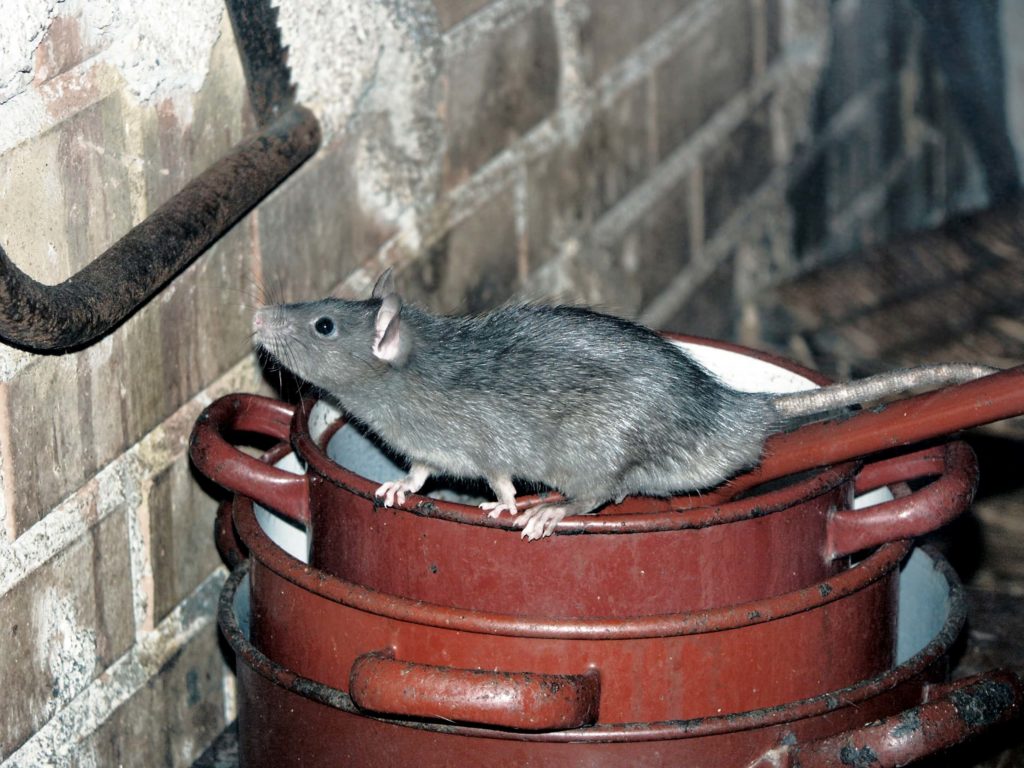
In evaluating rodent control methods, an accurate grasp of rat behavior is foundational: rats are nocturnal, neophobic, opportunistic foragers that establish defined runways, nesting sites, and scent-marked territories, and these traits determine how they encounter deterrents and traps. The assessment focuses on nocturnal patterns that concentrate activity during low-light hours, reducing exposure to visual cues and favoring tactile and olfactory interfaces. Nesting preferences favor enclosed voids near food and water, informing placement strategies for interventions https://igreenasia.com/. Territorial marking creates predictable scent corridors that guide movement and social interactions. Foraging habits are flexible, exploiting novel food sources but exhibiting caution toward unfamiliar objects. Integrating these behavioral parameters supports targeted, efficient control design and evaluation without presuming efficacy of any single modality.
Types of Rat Repellents and How They Work
The section contrasts two principal repellent classes and their operational mechanisms. Ultrasonic and electronic devices emit high-frequency sound or electromagnetic patterns intended to create an aversive environment for rodents, with effectiveness dependent on coverage, frequency range, and obstruction. Scent-based chemical repellents rely on olfactory aversion using predator odors, irritants, or masking agents, with performance influenced by concentration, volatility, and environmental conditions.
Ultrasonic and Electronic Devices
Ultrasonic and electronic rat-repellent devices emit high-frequency sound, electromagnetic pulses, or timed sonic patterns intended to disrupt rodent behavior and force departure from treated areas. These systems operate around a targeted ultrasonic frequency band designed to create signal interference with rodent auditory processing or to alter perceived environmental cues. Effective implementation depends on strategic device placement to maximize line-of-sight coverage and minimize acoustic shadowing from obstacles. Performance metrics show initial displacement in naïve populations, but documented behavioral adaptation can reduce efficacy over time, requiring varied modulation schemes or integrated tactics. Electronic solutions offer low-maintenance deployment and scalability for smart environments, yet empirical validation varies; designers should prioritize reproducible field trials, adaptive signal algorithms, and interoperability with complementary control measures.
Scent-Based Chemical Repellents
By emitting volatile compounds that target rodents’ olfactory and trigeminal receptors, scent-based chemical repellents create an aversive sensory landscape that discourages habitation and foraging. These formulations—essential oils, synthetic analogs, and predator-derived kairomones—function via irritant or masking mechanisms that disrupt navigational and feeding cues. Efficacy depends on concentration, delivery matrix, and environmental decay: porous substrates and air exchange reduce persistence, producing variable seasonal effectiveness. Strong smell deterrents provide immediate behavioral modification but require strategic placement and reapplication schedules to maintain threshold concentrations. Integrated deployment with structural exclusion and baited traps optimizes outcomes, while sensor-informed dispensers and microencapsulation extend longevity. Regulatory compliance and non-target risk assessment remain critical for scalable, innovative implementation.
Different Rat Traps: Live, Snap, and Electronic Options
The section compares live-trap systems, which enable capture-and-release but require secure handling and may stress or injure animals, with lethal snap traps that offer immediate dispatch but carry risks of incomplete kills and handling hazards. It then examines electronic traps that promise quick, humane kills via high-voltage discharge and typically reduce exposure to carcasses, balanced against higher cost and battery/maintenance needs. Comparative criteria include efficacy, humaneness, safety, cost, and operational complexity.
Live-Trap Pros and Cons
Examines humane live-capture cages as a non-lethal option for rodent control, outlining operational principles, effectiveness, and practical limitations. Live traps enable humane relocation when paired with precise trap monitoring protocols; bait selection and placement govern capture probability. They eliminate immediate lethal disposal, reduce bycatch risk with species-specific designs, and support data collection on infestation patterns for iterative system improvement. Limitations include labor intensity for frequent checks, stress-induced mortality risk during prolonged confinement, legal and ecological constraints on relocation, and potential reinvasion if exclusion measures are not implemented. Operational success depends on integration with habitat modification, rapid-response logistics for released animals, and sensor-enabled monitoring to optimize capture windows while minimizing welfare and regulatory complications.
Snap Vs Electronic Traps
Contrast snap and electronic traps on objective metrics—mechanism, kill speed, safety, placement flexibility, and maintenance—to guide selection for specific infestation scenarios. The analysis evaluates snap efficiency versus electronic current delivery, emphasizing measurable outcomes: time-to-neutralize, reliability, and human/household safety. Snap traps deliver instantaneous mechanical kills when optimized for trigger sensitivity and placement; they excel in low-cost, high-density arrays but require regular resetting and careful handling. Electronic units offer consistent kill speed, hands-off disposal, and diagnostic feedback, with higher upfront cost and battery maintenance. Selection criteria hinge on infestation scale, environmental constraints, and operator tolerance for tech integration. Emerging designs integrate sensors and data logging to improve effectiveness metrics and operational decision-making.
- Mechanism comparison: kinetic vs. electric
- Kill speed: milliseconds vs. controlled current
- Safety: physical risk vs. electrical precautions
- Maintenance: reset vs. power/battery cycles
- Deployment: discrete arrays vs. smart placement
Effectiveness Comparison: Repellents Vs Traps
Several metrics determine whether repellents or traps provide superior control: immediate removal rate, long-term reduction in population, species-specific efficacy, and measurable deterrent persistence. Comparative assessment shows traps deliver higher immediate removal rates, directly reducing numbers when correctly deployed, while repellents aim to induce behavioral conditioning and temporary avoidance. Long-term population suppression favors integrated strategies: traps remove individuals; repellents support habitat modification by discouraging re-entry. Species-specific efficacy varies—some rodent taxa respond poorly to olfactory repellents but reliably trigger mechanical traps. Measurable deterrent persistence for repellents is limited by volatility and habituation; traps maintain effectiveness if placement and maintenance are optimized. For innovators, the evidence supports combining targeted trapping with repellent-based habitat modification to maximize control while preserving operational efficiency.
Health, Safety, and Environmental Considerations
How do health, safety, and environmental risks differ between rat repellents and traps? The evaluation prioritizes public health outcomes, operator safety, and measurable ecosystem impact. Repellents minimize direct handling risks but may employ chemicals whose persistence drives waste contamination and affects non target species. Traps present acute physical hazards and carcass disposal needs, influencing contamination vectors and pathogen spread. Regulatory compliance and site-specific risk assessment determine suitability.
- Chemical persistence: potential for runoff and waste contamination.
- Exposure pathways: inhalation, dermal contact, and secondary poisoning.
- Non target species: disruption probabilities and mitigation measures.
- Public health: influence on disease transmission and sanitation.
- Operational safety: handling protocols, monitoring, and disposal requirements.
Cost, Maintenance, and Long-Term Control Strategies
Typically, cost, maintenance, and long-term effectiveness diverge substantially between repellents and traps, requiring distinct budgeting, labor, and monitoring frameworks. Repellents often entail lower initial outlay but recurrent replacement and energy costs; traps require higher upfront investment for durable mechanical or electronic systems and potential professional deployment. Effective strategies integrate budget planning with lifecycle costing, prioritizing scalable solutions that align with property risk profiles. Maintenance protocols emphasize routine inspections, timely replacement of consumables, and documentation of capture or deterrence metrics. Long-term control favors adaptive systems: combinatory use of physical barriers, selective trapping, and targeted repellents informed by data from inspections. Innovation-focused managers deploy IoT-enabled sensors to optimize maintenance schedules and reduce total cost of ownership.
Making the Right Choice for Your Property
When selecting between rat repellents and traps for a specific property, decision-makers should evaluate infestation severity, structural vulnerabilities, occupancy patterns, and tolerance for ongoing maintenance; each factor dictates whether deterrence, removal, or an integrated approach is ideal. The most effective solution aligns intervention modality with site data: light, perimeter-focused activity favors repellents combined with urban landscaping modifications; established colonies require targeted trapping and monitoring. Considerations include regulatory constraints, non-target risk, and effect on property value. Implementation plans should define success metrics, timelines, and adaptive escalation triggers. Innovations such as sensor-enabled traps and biodegradable deterrents can optimize outcomes while minimizing ecological footprint.
- Survey infestation density and activity nodes
- Audit structural entry points and harborages
- Analyze human traffic and waste practices
- Model impact on property value and aesthetics
- Define monitoring, KPI, and escalation protocols
Conclusion
Choosing between rat repellents and traps depends on infestation severity, site specifics, and risk tolerance. Repellents offer temporary, nonlethal mitigation best for low-pressure or preventive scenarios; traps—particularly strategically placed snap or electronic units—deliver rapid population reduction and clear evidence of success. Integrated approaches combining exclusion, sanitation, targeted trapping, and selective repellents yield the most reliable, long-term suppression while minimizing health risks and environmental impacts. Professional assessment optimizes method selection and implementation.…